

All News
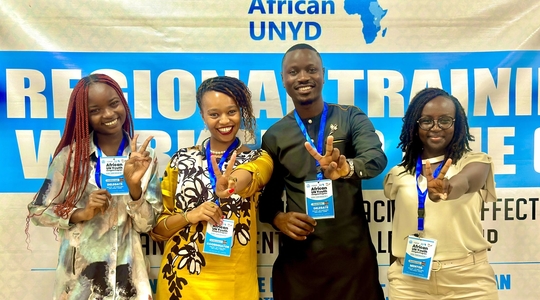
Highlights from the 1st Regional Training in South Sudan
The 1st Regional Training in South Sudan empowered delegates to address youth challenges, fostering collaboration and advocacy for regional youth…
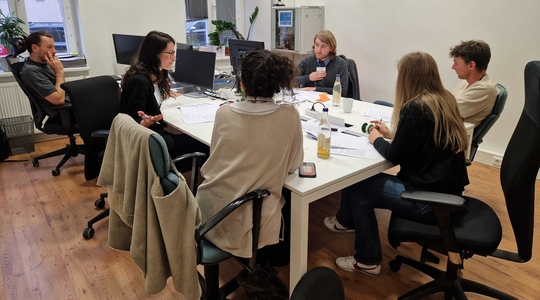
PeaceGame 2.0 Test Run
Last week, together with participants from universities and partner organizations from Berlin, we tested our PeaceGame 2.0, our AI-supported…

Sudan's Training Workshops Thrive Online Despite Political Challenges
Despite Political Challenges in Sudan, Training Workshops Successfully Integrates Components Online
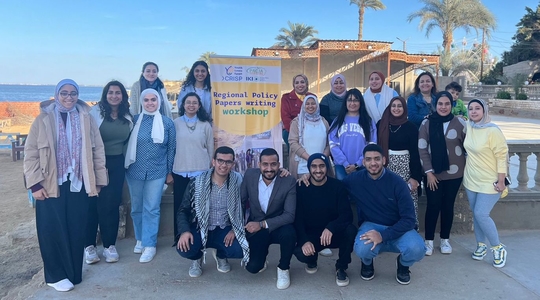
Regional Policy Paper Writing Workshop in Fayoum!
Last week, we implemented a very fruitful and successful workshop on drafting regional policy papers under our ARCH project in Egypt.
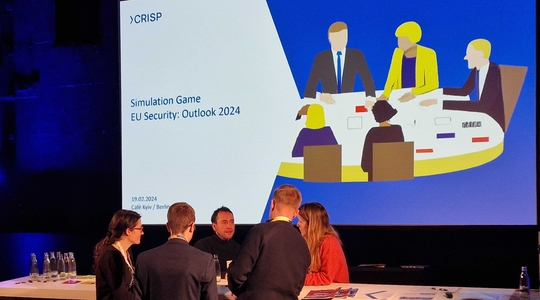
CRISP at Cafe Kyiv 2024
CRISP was one of the partners of Café Kyiv 2024 which is aimed at strengthening support for Ukraine among civil society representatives, politicians,…
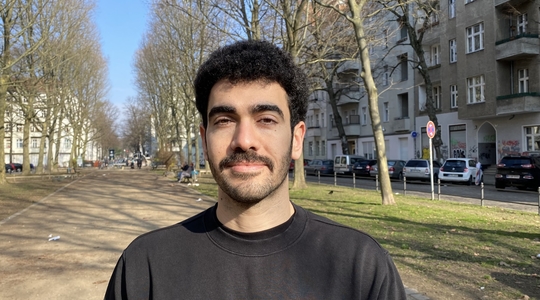
CRISP Welcomes New Financial Manager
We are excited to welcome our new financial manager Mohammad Hajjar to the CRISP team!
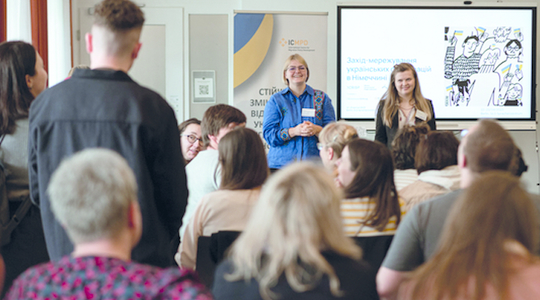
Conference "Diaspora - a powerful partner in the reconstruction of Ukraine" on April 19-20, 2024, in…
The conference "Diaspora - a strong partner in the reconstruction of Ukraine" is already the third networking event organized by CRISP e.V. and Open…
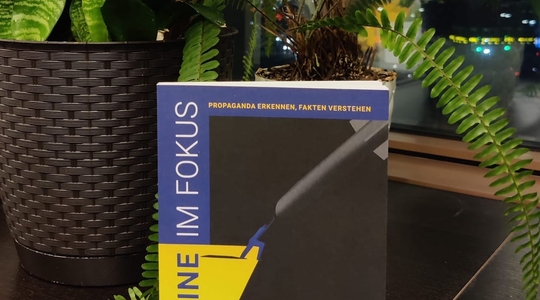
Book Presentation: "Ukraine in Focus: Recognizing Propaganda, Understanding Facts"
We would like to invite you to the book presentation 'Ukraine in Focus,' which will take place on 26.02 at Berliner Landeszentrale für politische…

Bundestag Exchange Students Engage in Political Simulation Game
In an initiative facilitated by the International Parliament Scholarship program of the German Bundestag, participants from South Africa, Namibia,…
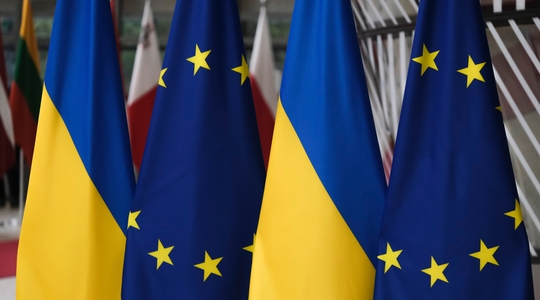
Join CRISP at Cafe Kyiv for a Simulation Game
We're thrilled to invite you to participate in our simulation game at Café Kyiv on February 19, 2024, from 8:30 AM to 12:00 PM!
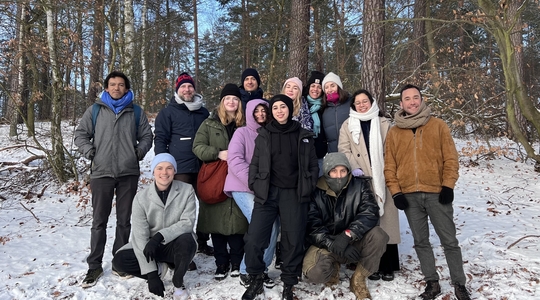
CRISP Retreat 2024
We're excited to share a summary of our recent retreat at "Villa Sophienschlösschen," which took place from January 17th to 19th.
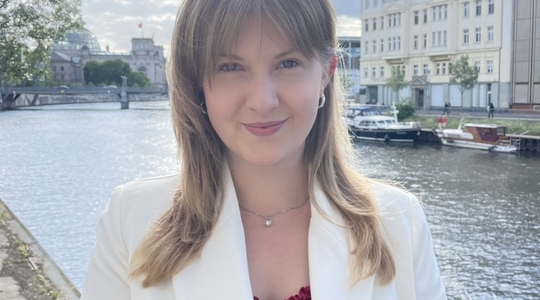
Very warm welcome to our new intern Mariana!
Meet Mariana, a wanderer with a heart anchored in Hamburg. Her journey from the wide seas to academia and activism has shaped her commitment to a more…
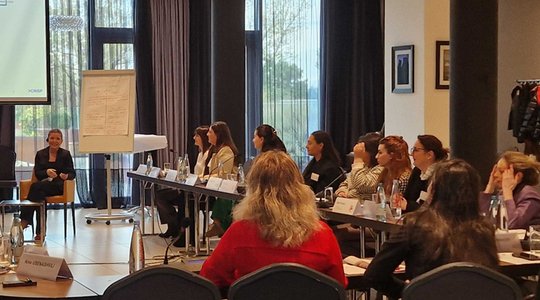
Young Women’s Political Academy: Georgia
CRISP team was invited by the CHANGE Program for a third consecutive time to support their Young Women’s Political Academy.
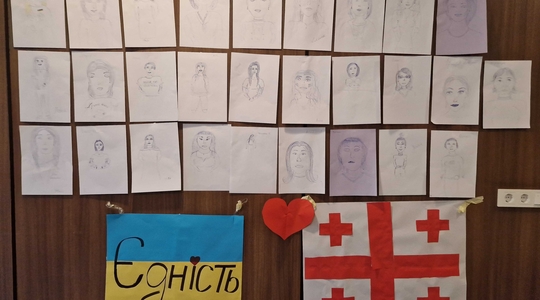
Time for Refugees: Community Integration and Empowerment Training
In November, we completed the final component of the project in Kutaisi, Georgia, and are pleased to have achieved all predetermined goals.
Meet the Winner of the German African Award 2023
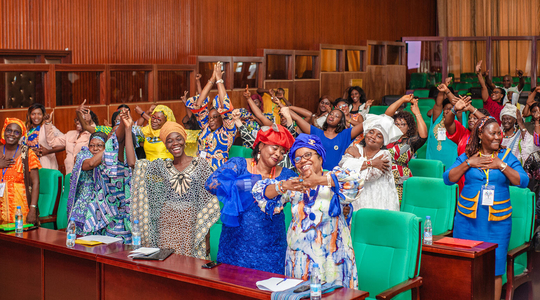
CRISP is pleased to announce that the "1st National Women’s Convention for Peace in Cameroon" has been honored with the German African Award 2023.
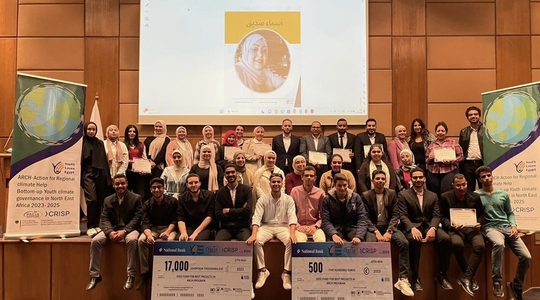
Egypt Launches Local Climate Initiatives through the ARCH Project
Egypt has formally introduced local climate initiatives as part of the ARCH (Action for Regional Climate Help) project. Trained participants have…